

How to Future-Proof Your Home with Stylish, Accessible Renovations
Your home is more than four walls. It’s where memories are made, milestones are celebrated and routines bring comfort. For many of us, it’s also about staying close to the local cafés, parks and neighbours that make up the life we love.
That’s why more Australians are choosing to age in place: renovating the home they already love so it keeps supporting them for years to come. With thoughtful accessible home design, you can improve safety, comfort and independence without giving up an ounce of style.
In this guide, we cover what accessible design involves, which rooms to prioritise, and how Australia’s accessibility standards fit in.
-
- What is Accessible Design, and Why Does it Matter?
- Where to Start When Renovating to Age in Place
- Accessible Kitchen Design: A Safer, Smarter Heart of the Home Kitchen
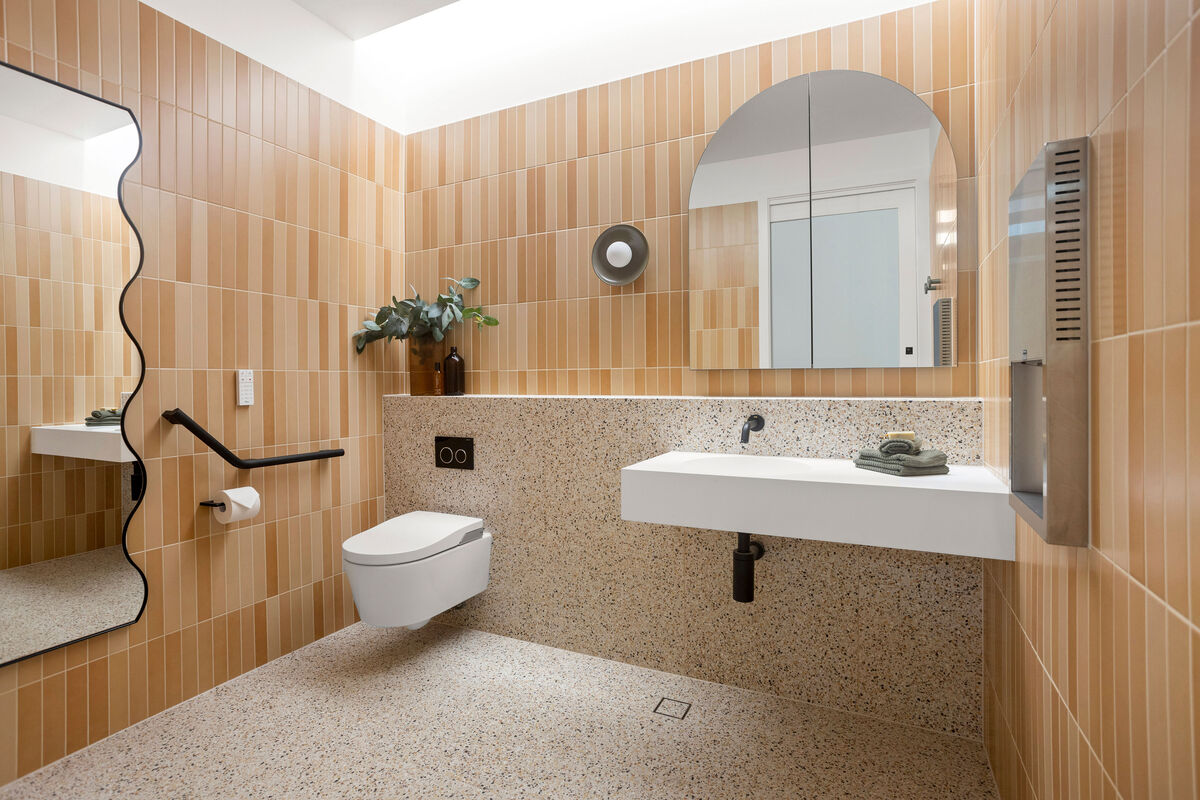
- Accessible Bathroom Renovations: Comfort and Safety Without the Clinical Look
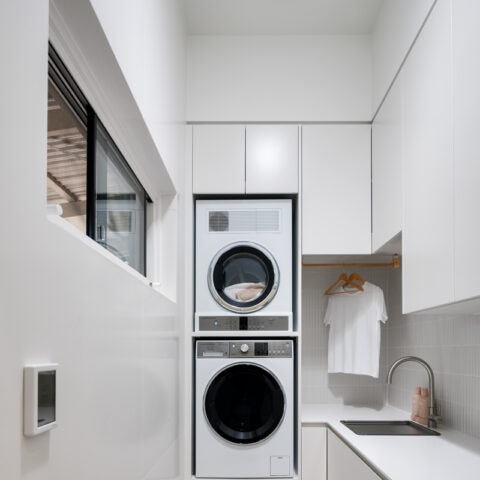
- Accessible Laundry Design: Simpler, Safer Chores
- Australia’s Accessibility Standards: What Homeowners Should Know
- Why the Right Renovation Team Makes the Difference
- FAQs
- Let’s Future-Proof Your Home, Together
What is Accessible Design, and Why Does it Matter?
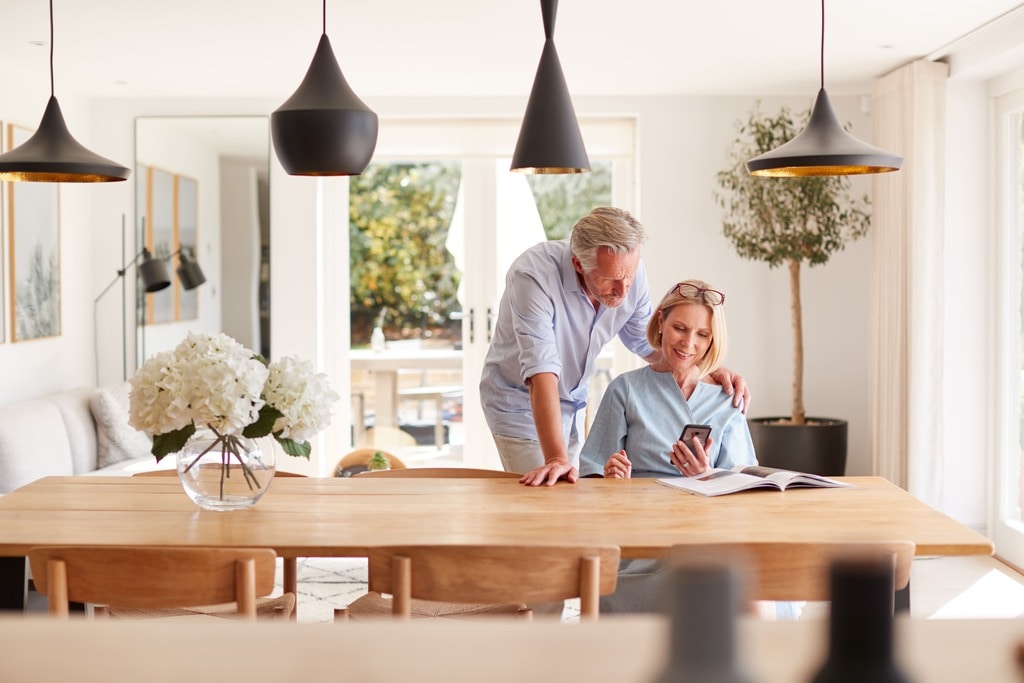
Accessible design (often called universal design) creates spaces that are easy to use for everyone, regardless of age, mobility or ability. It isn’t only about wheelchairs or medical needs. It’s about smart layouts, safer features and better choices that make everyday life easier and more enjoyable, for you today and for guests of every age.
Here’s why it matters:
- Independence: everyday tasks stay manageable and dignified.
- Comfort: rooms work with your routines, not against them.
- Safety: less risk of slips, falls and physical strain.
- Future readiness: you avoid a rushed move or reactive, last-minute modifications later.
And when it’s done well, accessible design doesn’t look clinical. It looks like your home, only better.
Where to Start When Renovating to Age in Place
Accessible features can work throughout the home, but three rooms deserve your attention first: the kitchen, the bathroom and the laundry. You use them every day, and they carry the highest risk of slips, fatigue and awkward movements.
If you’re planning to update more than one, a full home renovation lets us design everything as one cohesive, accessible whole.
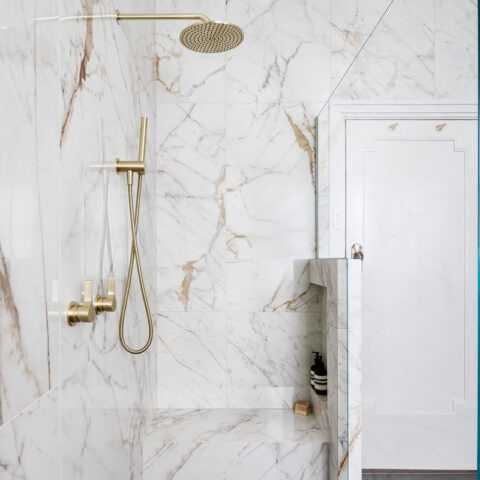
Accessible Kitchen Design: A Safer, Smarter Heart of the Home Kitchen
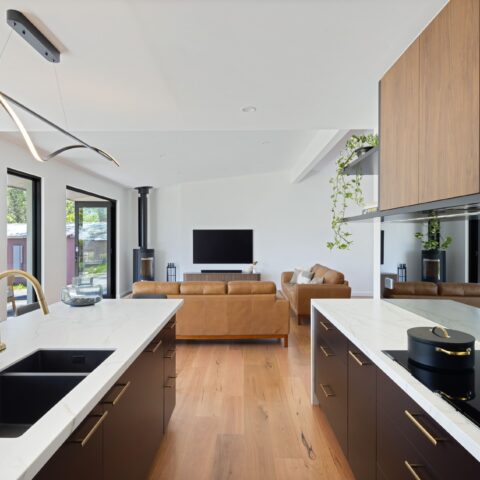
The kitchen is where many of us start and end the day, which makes it one of the most valuable rooms to upgrade.
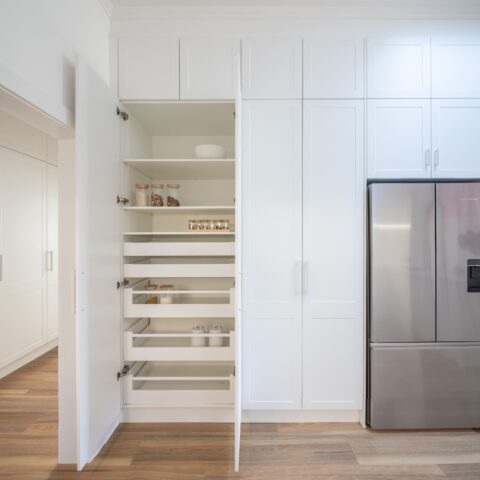
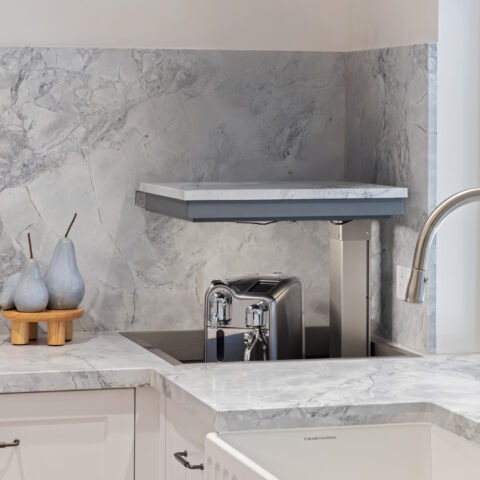
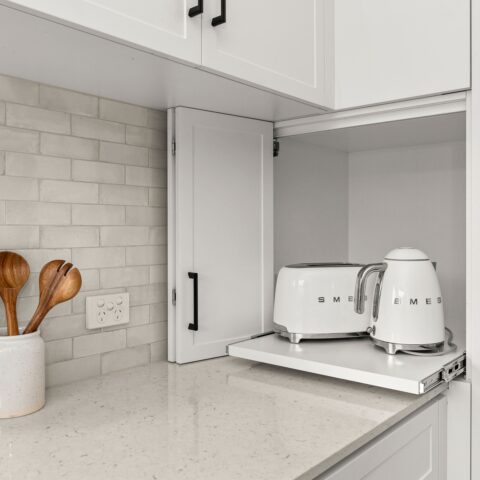
Accessible kitchen features to consider:
- Pull-out drawers instead of hard-to-reach overhead cupboards
- Side-opening ovens and raised appliances to reduce bending
- Induction cooktops, which stay cool to the touch around the pan
- Lever-style or sensor taps that are easy on the hands
- Contrasting colours on benchtops, cabinetry and floors for better visibility
- Layered lighting over prep zones and walkways
Small changes like these make your kitchen easier to move around and more enjoyable, whether you’re cooking solo or with the whole family. Choosing a benchtop that’s durable and easy to wipe clean also helps; our kitchen benchtops guide walks through the options.
Accessible Bathroom Renovations: Comfort and Safety Without the Clinical Look
Bathrooms are small spaces with big risks: wet surfaces, tight corners and hard fixtures. With the right design, a bathroom can be safer and more beautiful.
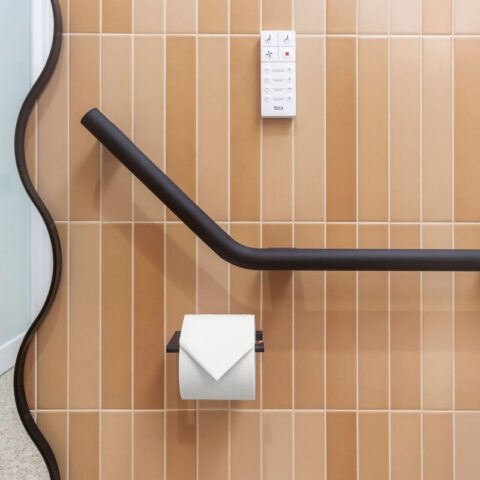
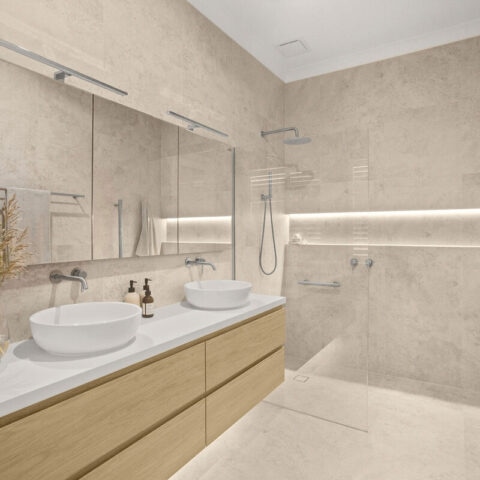
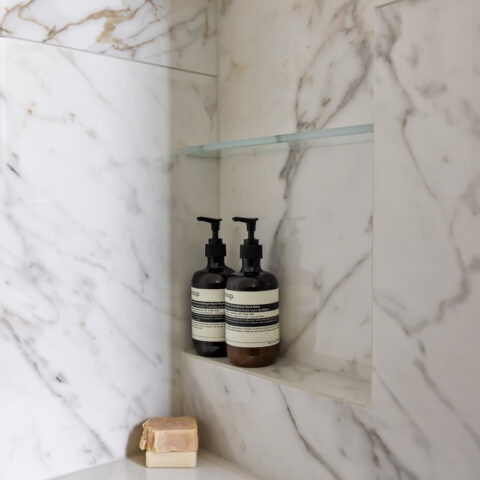
Smart accessible bathroom upgrades include:
- Step-free (hobless) showers with slip-resistant tiles
- Grab rails that complement your fixtures instead of clashing with them
- A built-in bench seat and wall-hung vanity for easier access
- A comfortable-height shower niche or ledge, so nothing needs reaching or bending
- Contrast colours for clear visibility
- Motion-activated lighting or illuminated switches for night-time trips
Accessible doesn’t mean clinical. See what’s possible in our Art-Deco Bathroom and Contemporary Master Suite projects, which feel luxurious while supporting independence and ease of movement. Browse more in our portfolio.
Accessible Laundry Design: Simpler, Safer Chores
Laundries are often overlooked, yet they’re one of the busiest zones in the home. A few considered changes go a long way.
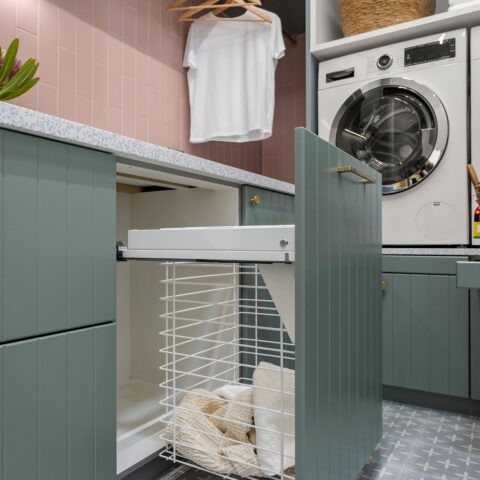
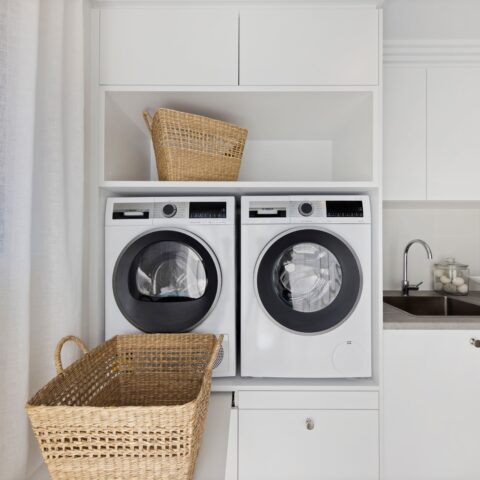
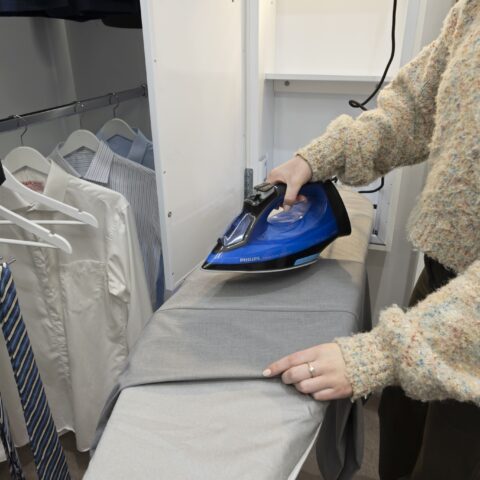
Effective laundry changes include:
- Front-loading washers and dryers on raised bases
- Slide-out baskets and retractable ironing boards
- Everyday storage within easy reach, with no overhead strain
- Non-slip flooring and plenty of light
The result is a laundry that flows with your day instead of fighting it.
Australia’s Accessibility Standards: What Homeowners Should Know
In 2022, Australia updated the National Construction Code (NCC) to include the Livable Housing Design Guidelines. It focuses on:
- Step-free entries and internal thresholds
- Wider hallways and doorways (minimum 820mm clear opening for doors)
- A ground-level bathroom with a step-free shower, or space to add one
- Clear, safe paths of travel through key areas
These requirements are aimed at new homes, but they’ve influenced how renovations are designed, particularly around bathrooms, kitchens and entrances. Whether your project is covered or not, they make a useful benchmark. And great accessible design goes beyond compliance. It’s about a home that feels like yours, with function, beauty and ease.
Why the Right Renovation Team Makes the Difference
Accessible design is only as good as the people delivering it. We’ve been renovating Adelaide homes for over 20 years, and we know your house isn’t a construction site. It’s your sanctuary.
What working with Brilliant SA looks like:
- No juggling trades. We manage the entire process in-house.
- Clear communication and expert guidance from start to finish, including our client portal.
- Respectful, tidy and trustworthy professionals in your home.
- Beautiful, accessible results tailored to your lifestyle and needs.
- Peace of mind with our Brilliant SA Guarantee and class-leading Warranty.
Curious how it all fits together? See our process and meet the team.
FAQS
What does aging in place mean?
Aging in place means staying in your own home as you get older, rather than moving to another property or care setting. Most people achieve it by renovating key rooms, such as the bathroom, kitchen and laundry, to be safer and easier to use as their needs change.
What are the best home modifications for aging in place?
The most common modifications are a step-free shower, grab rails, slip-resistant flooring, lever taps and handles, pull-out kitchen storage, raised appliances, better lighting and wider doorways. These tackle the main causes of slips, strain and difficulty with daily tasks.
Is accessible design only for people with a disability?
No. Accessible (universal) design suits everyone: older adults, families with young children, people recovering from injury and visitors of all abilities. Good design makes a home easier to live in at any stage of life.
Will an accessible bathroom look clinical?
Not when it’s well designed. Features like hobless showers, bench seats and integrated grab rails can be built around quality tiles, fixtures and lighting. You get a bathroom that looks elegant and works for you long-term.
What is a hobless (step-free) shower?
A hobless shower has no raised edge to step over. The floor slopes gently to a drain, so it’s easier and safer to enter, including with a walker or wheelchair, and it makes the bathroom look clean and open.
Do the Livable Housing Design Standards apply to renovations?
The standards in the National Construction Code are aimed at new homes, but many of the principles, like step-free access and wider doorways, are worth building into a renovation. Requirements can vary, so your designer can confirm what applies to your project.
Which room should I renovate first to future-proof my home?
Start with the bathroom: it’s the highest-risk room for slips and falls. The kitchen and laundry come next, as they’re used daily and benefit most from better storage, lighting and layout.
How long does an accessible renovation take?
It depends on the scope. A single bathroom is typically much quicker than a full-home renovation. We’ll give you a clear timeline at the design stage and keep you updated through our client portal. See our process for the steps involved.
Does Brilliant SA do accessible renovations in Adelaide?
Yes. We’ve been renovating Adelaide homes for over 20 years, with in-house designers and tradespeople managing your project from first meeting to final handover. You can also browse more answers on our FAQs page.
Let’s Future-Proof Your Home, Together
Whether it’s your bathroom, kitchen, laundry or a complete home renovation, this is an investment in your comfort, confidence and freedom, and with the right team it doesn’t have to be complicated.
Our team will guide you through every step, from your first consultation to the final handover, to create a home that reflects your style, supports your needs and grows with you. Every project is backed by our class-leading Warranty and the Brilliant SA Guarantee, which means we take full responsibility for every detail.
Contact us today to begin your renovation journey.
Let's Get Started
Laura Osorio
Marketing Manager and qualified Product Designer with 12 years of experience across strategy, digital channels, content, branding and customer engagement. Working at the intersection of marketing, design and home renovation.